Hyner Trail Challenge 50k: Conquer your mind

This past weekend, I took on the Hyner Trail Challenge 50k in central Pennsylvania. As my husband, sister, and mom could tell you, I was a mess the night before. This was my second 50k ever, on a much tougher course than the previous, and due to some minor bodily non-cooperation, my training had been less than stellar. No matter, they all believed in me wholeheartedly. It was my own mind that was the challenge.

Race morning, I woke up to this text from my husband:

“It is not the mountain we conquer, but ourselves.”

-Sir Edmund Hillary 

Mountain, trail, same thing. ❤

It was just what I needed to hear.

The course more than represented the “Rocksylvania” reputation of the region. The climbs were long and steep, both uphill and downhill. Hands were required going up, and I contemplated butt-sliding going down.

After the first ascent, the trail was so leaf-strewn and rocky that I had to slow to a walk to protect my ankles (improving my technique and confidence on technical terrain is a long-term goal). I was getting passed left and right and knew that if the terrain didn’t smooth out at least a little, there was no way I was going to finish. It’s never good to have a mental meltdown close call in mile 4. But I told myself to just keep moving forward as quickly as possible while staying safe, and that’s what I did.

Later, I almost missed a cutoff at mile 17, without realizing how close it was until I got there. But that just lit a fire in me — I was not going to let this opportunity pass me by. And a huge thank you to the wonderful aid station volunteers who told me, “Don’t panic, eat something, and just keep moving.”
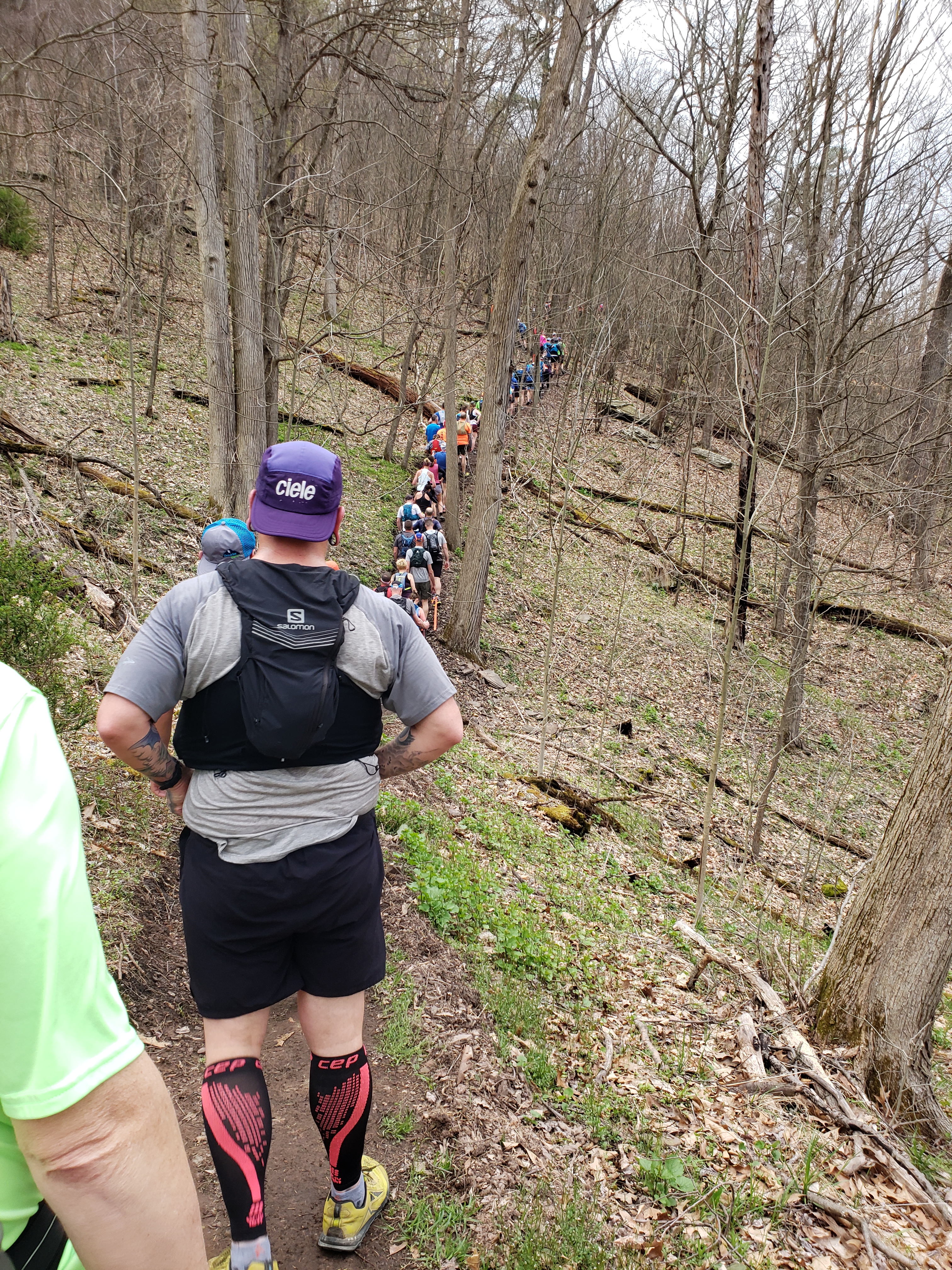
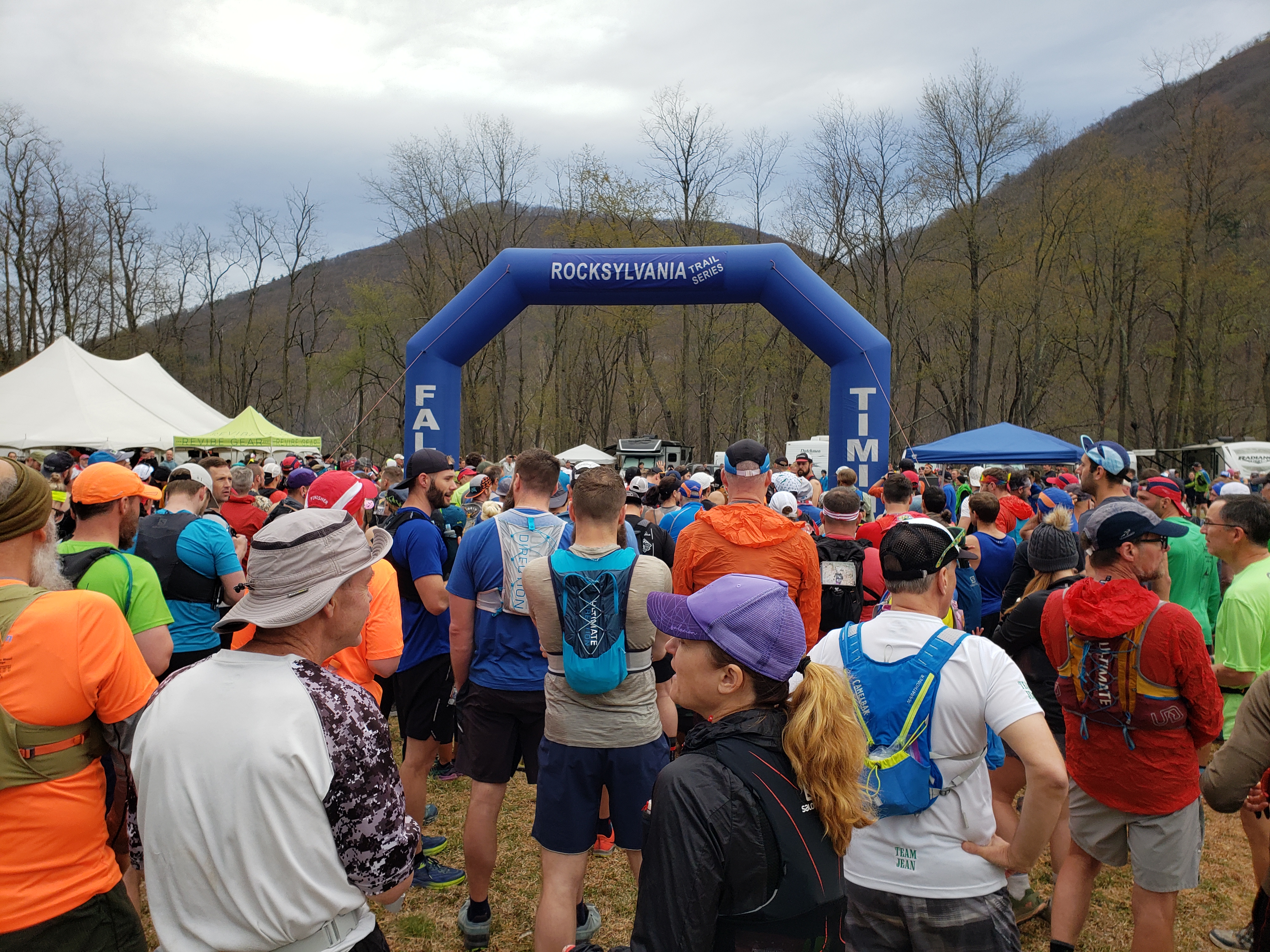
Above, clockwise from left: Heading up the first brutal ascent to “The View” (before it got really steep), the starting line, and switchbacks on the final descent

The toughest miles were 17 to 24, the next hard cutoff, because I knew I needed to keep charging forward despite technical and steep terrain if I was going to have the opportunity to finish. But that singular focus turned me into a power hiking machine on the uphills and helped me hold intense concentration on the downhills to avoid any mishaps. “Focus, focus, focus” was my mantra in those sections. It was especially tough mentally, because something was off with my watch, and by the time I finally got to mile 24, it thought I had gone almost 26 miles. I made it with 12 minutes to spare.

By the time I got to the final descent, after making it to the top of the last scramble (aptly named “SOB”), it was all I could do to keep repeating “keep it together” (both emotionally and physically). And when I stepped off the trail and onto the last half mile of pavement, and then crossed the finish line, it was a huge combination of relief (no injuries!) and satisfaction.
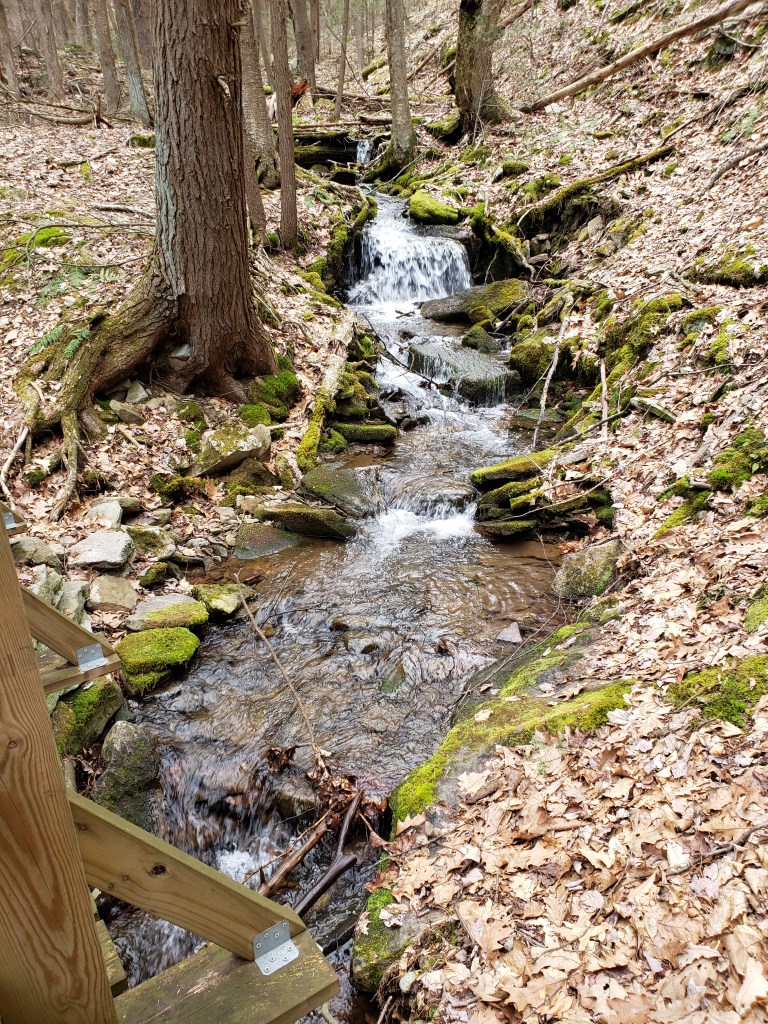
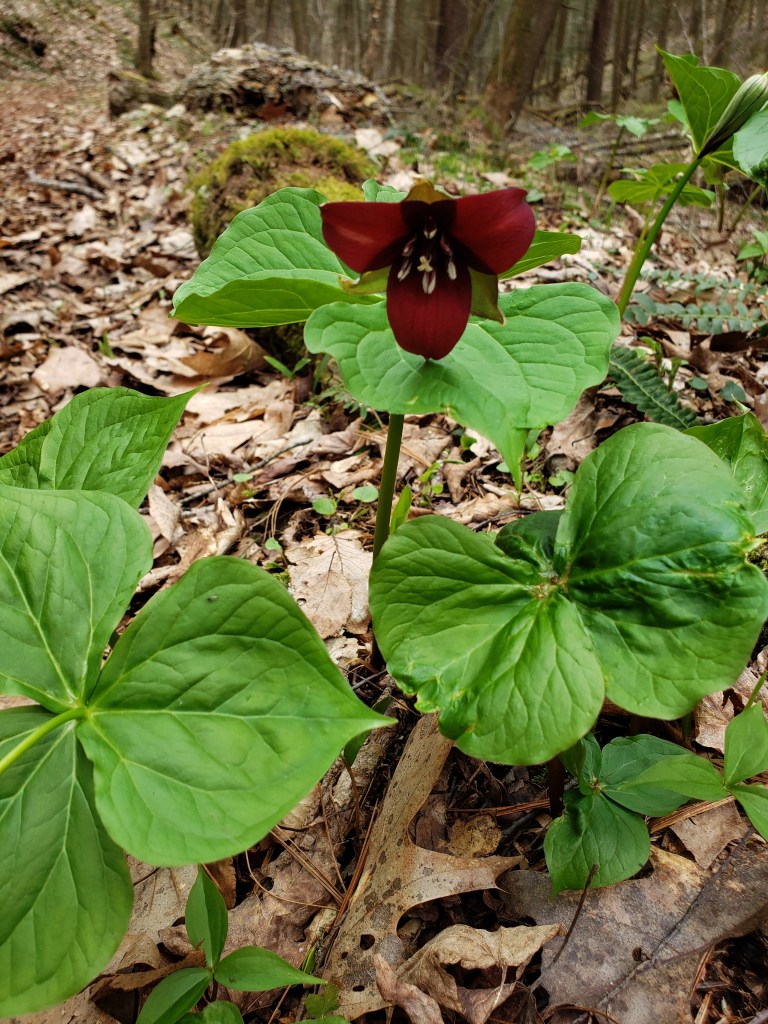
I even managed to capture a few moments of beauty along the way, including some cute red trilliums.

As nervous as I was, with a lot of encouragement from my family, and a willingness to just decide I was going to finish, I managed to get to the finish in 8:54. It was one of my worst finishes ever place-wise, but it was huge for my confidence–especially heading into my next and biggest challenge yet, the Ice Age 50-miler in three weeks.

So to those of you who tend to doubt yourselves (I know I’m not alone), you got this. If you can conquer your own mind, you can do so much more than you ever believed.

Journey on, friends.

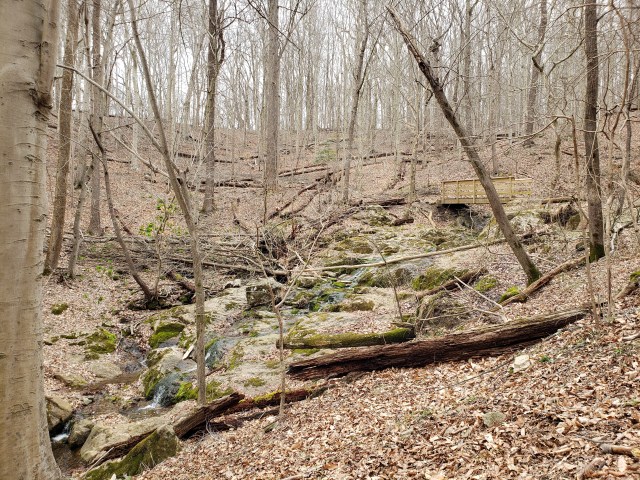
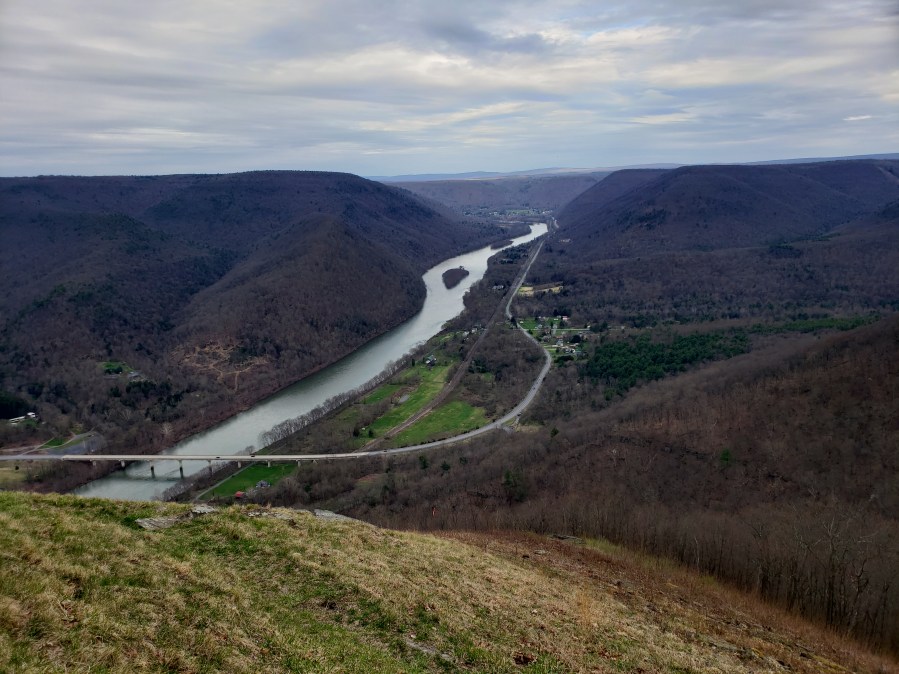
Header image: The view from, where else, “The View” at the top of the first ascent. My calves were already screaming and we had barely gone two miles! All photos by Sarah.

Watch birds for science!

Heads up: this post is not about running–it’s definitely on the “nerdy bird” side of things.

That said, if you’re still with me, I just wanted to share how much fun I’ve been having participating in Project Feederwatch. Project Feederwatch is an initiative organized by the Cornell Lab of Ornithology (one of the top institutions in the world for bird research). The idea is for regular people to watch birds, record what they see, and share their data with the Lab of O (as the Cornell Lab is affectionately known).

The concept is called “citizen science.” It’s booming, because technology is making it much easier to crowdsource huge amounts of data about the natural world from anyone who has an internet connection.

Help save birds

Scientists can access the data citizen scientists collect as part of Project Feederwatch. It helps them figure out which species may be in decline or on the rise, and whether and how birds are shifting their ranges or migration patterns. Those analyses can then inform conservation efforts. With limited resources, it’s key to have data that help answer questions like, “Should we prioritize protecting this patch of land or that one?”, “Are nest boxes helping?” and more.

You don’t even need to have a bird feeder to participate. If you have plantings, a bird bath, or anything else that attracts birds, you can count birds and contribute your data to the global pool. The counting season began a few months ago, but it runs through April 30. So it’s not too late to sign up for this year! If you’re interested, you can find more information here: feederwatch.org

Other citizen science opportunities

Or, if birds aren’t your jam, but you like the idea of citizen science, here are some other projects you can get involved with:

Benefits of birdwatching

You already know I love birds. But I rarely actually set aside time to simply sit and watch them. I call my birding style “incidental.” I watch them while running, hiking, running errands, or doing anything else. But I only set birding as my primary purpose probably a couple times a year.

That has changed this week, as I started getting into my Project Feederwatch counts (finally). I was super excited when I received my welcome packet complete with a poster of common feeder birds in North America (it’s “nerdy bird” for a reason, alright?). I’ve spent a few hours so far over the last week watching birds in my backyard, and it’s surprisingly relaxing. (It helps that I can already recognize most of the birds I’m seeing, but seeing new ones would be super cool, too!)

Watching birds closely makes it easier to see them as individuals, and can help inspire people to protect nature. It helps me connect with nature in a new way. And any kind of focused activity, like birdwatching, helps me get into a flow state where my anxieties (temporarily) evaporate. Plus, birds are pretty, and they do silly things! They are just fun to watch.

Anyway, if you like birds at all, and are looking for a new activity that also does a bit of good, consider Project Feederwatch.

Journey on, friends!

Header image: A Northern Mockingbird. Ok, so my bird photography skills have some room for growth, haha.

Finding our way to small joys

Today was my first foray back onto my hometown trails after a minor setback, and like many other outings on the trails, there were plenty of moments that sparked joy. Bird cheerleaders (yes, I choose to mentally interpret bird song as supportive of my running–whatever it takes, right?) didn’t include anything unusual, but it’s always fun to see some of the regulars. Blue Jay, Eastern Bluebird, Downy Woodpecker, Northern Cardinal, American Robin, and more all made an appearance and kept me moving along.

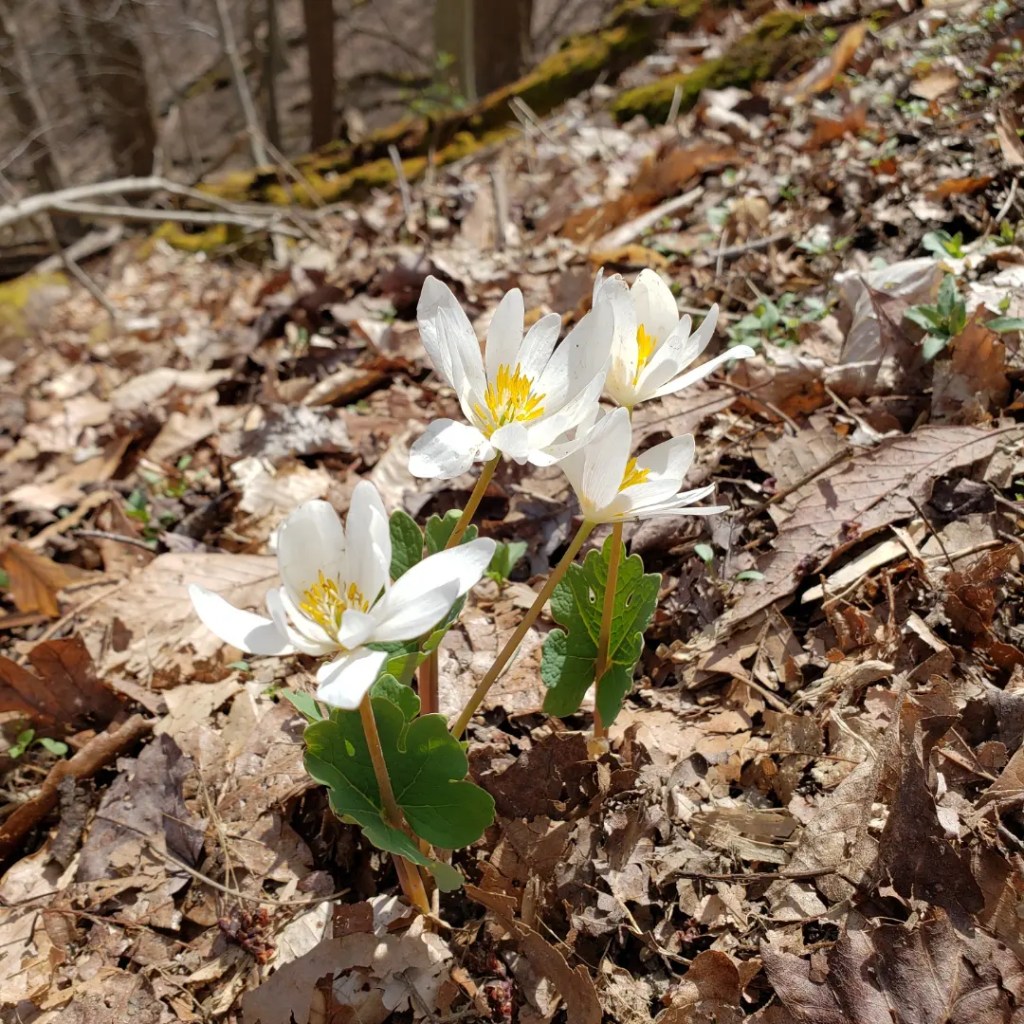
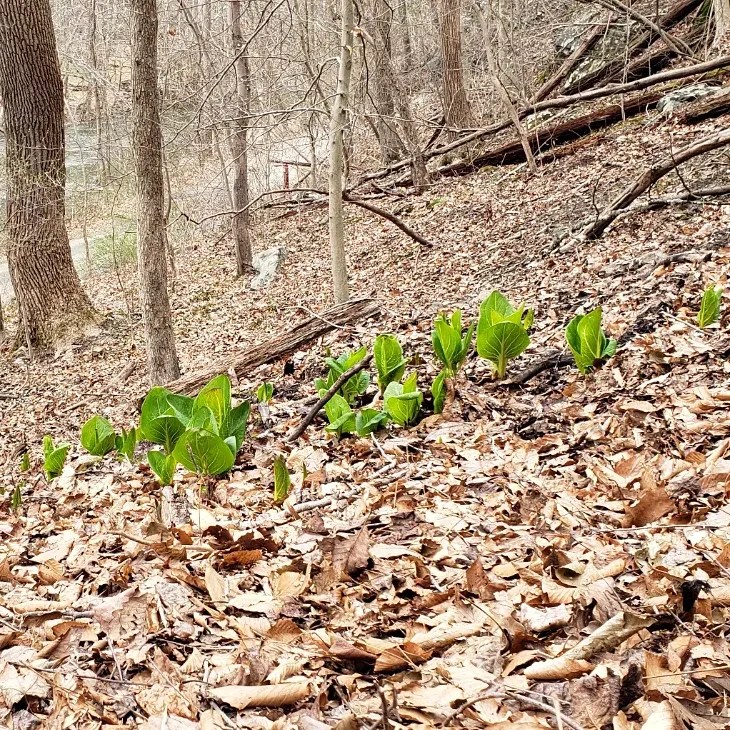
I also had the good fortune of spotting some fun plants:

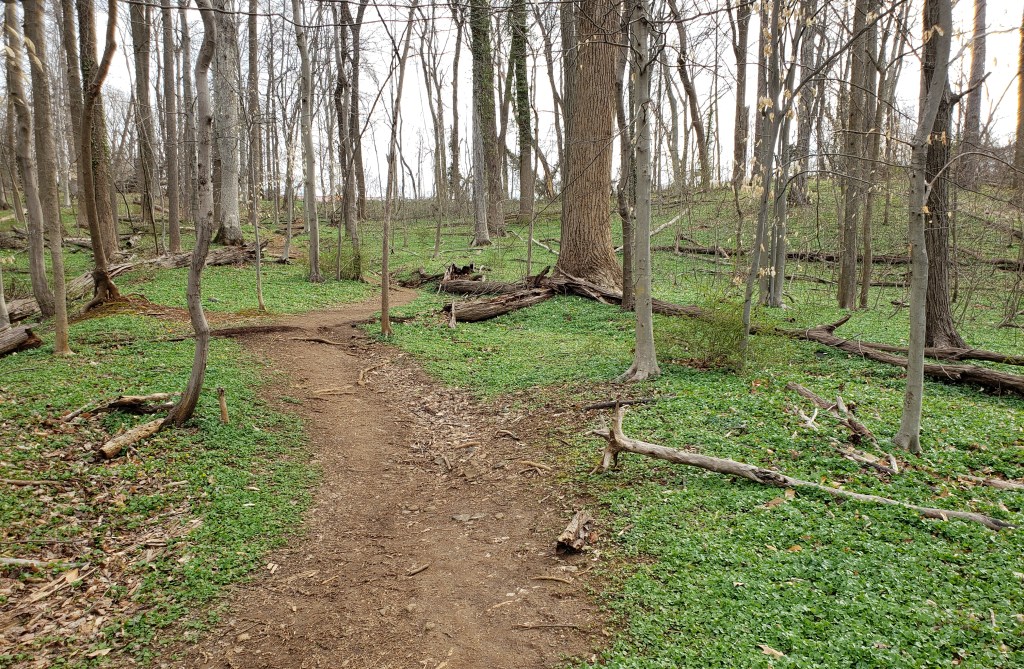
Of course, like any trail run that’s long enough, the outing had its negative moments. As I work to strengthen my arches and ankles while recovering from a minor injury, the rocky terrain in the first few miles had me frustrated. I was nervous I would be in constant pain by the end of the run (thankfully I wasn’t), but I did experience a few tiny tweaks as I headed through the rockiest sections (walking, of course!).

Sometimes I feel like the term “Rocksylvania” should extend to other states…

Moving through the run, I tried to focus on the positives and consciously remember to be thankful for having the opportunity and ability to run at all–especially surrounded by nature. It’s not a given by any means. I am trying to figure out how I can help advocate for or directly support increased access to parks and other natural spaces for everyone. It has so many benefits. (That’s another post. But if you have suggestions, please reach out!)

Being on the trails is also an important chance for me to connect with small joys and appreciate the littlest things. It’s a special opportunity to turn off my “monkey mind” and just feel grounded in my body, in the moment. I’m so grateful for that. For me, it’s easiest to find that headspace while running in the woods. For others, it might happen while baking, crafting, cycling, painting, dancing, or any number of other activities. What helps you tap into small joys?

It also feels good to know I’m taking small steps toward what initially felt impossible–running 50 miles in one day. Exactly seven weeks from today is my first 50-miler. Today’s run, while not quite as long as my training plan originally prescribed due to the minor injury, was a great step toward that goal. Tomorrow I’ll be cross-training (something I strongly recommend, even if you aren’t recovering from an injury). I’m relieved my ankle cooperated as well as it did, and I can’t wait to get back out there next week! Thanks for following along with me.

Journey on, friends!

The sun appeared briefly off and on during my run.

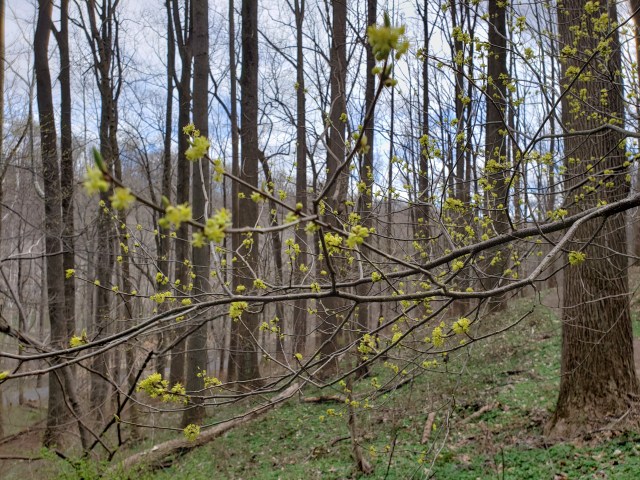
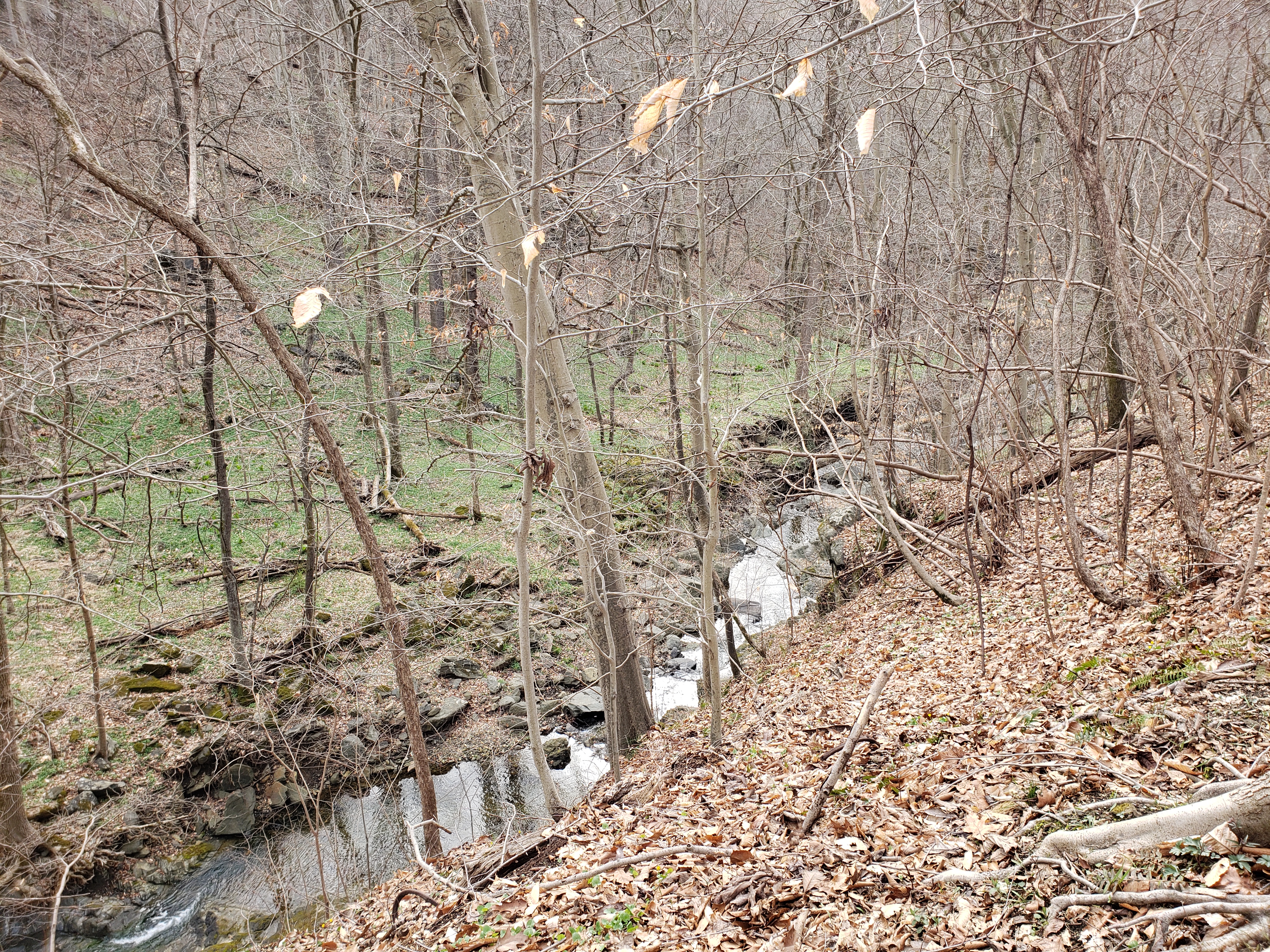
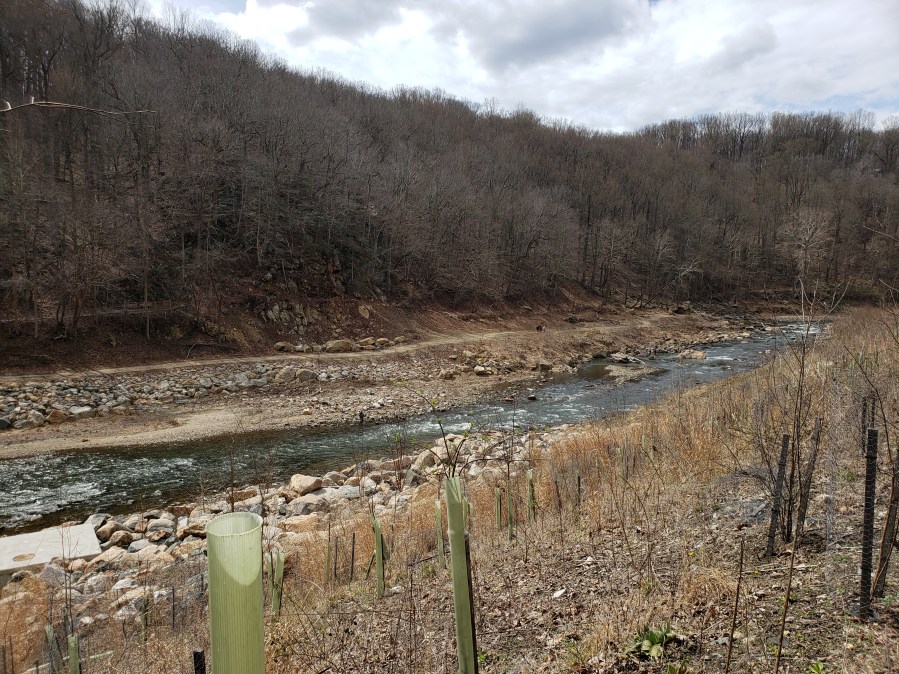
Header image: After a dam removal, this river is finding its way back to its natural state. All photos in the post are by Sarah, rights reserved.

It’s time to believe.

If I’m being honest, I’m terrified.

My first 50-miler is on May 14. That’s 51 days from now. Maybe it sounds like a lot, but it feels like it’s right around the corner. And man, has it been a long time coming. There’s a lot on the line.

I first decided I was going to run 50 miles way back in 2018. I had it all mapped out. Road marathon (something I was familiar with at the time) that fall. Slowly ramping up trail experience through 2019, culminating with the 24-plus mile Boulder Beast in central PA in September. Some time to recover, and then come spring 2020, it was gonna happen.

But we all know what happened in spring 2020. In February, everything was going to plan. 2019 had been an amazing running year: I earned my first age group award, and Boulder Beast is still my most favorite race ever. And my long runs were getting longer. But then in March, the world shut down. Races were canceled left and right. And for a brief moment, when everything pandemic was all so new and unknown, I was even nervous about trail running at all, afraid of passing too close to other people.

So I deferred my entry to 2021. In fall 2020, I successfully completed my first 50k, the Sadlers Creek Stumble in South Carolina. It was a huge success. I shocked myself by coming in third place for women! In January 2021, I started up again. Here we go… this is gonna be it. But then, in the third week of training, I badly sprained my ankle during a trail run. As I hobbled a mile and a half to the nearest road, after sheepishly calling my fiance (waking him up) and asking him nicely to come pick me up, I hoped I would recover in time to properly train. But it wasn’t to be. So I deferred again.

By summer 2021, I was back in training for another fall marathon, this time the marathon at the Coastal Delaware Running Festival, a road race (mixed with about 10 miles of crushed stone trail through a lovely state park–great for spotting birds!) that begins and ends on the Rehoboth Beach boardwalk. It also was a huge success, despite a… flexible… training plan. And then finally, late December 2021 I was back in it. Third time’s the charm?

The first 12 weeks of training were glorious. Hill workouts, long runs, tempo runs, and lots of easy miles. Weights, yoga, pilates. Getting used to my Nathan VaportSwiftra vest and starting to dial in my nutrition plan: a mix of Tailwind Endurance Fuel (love their recovery blend, too – especially coffee flavor mixed with vanilla or chocolate, wow), Huma gels, Plant Bites, and the occasional peanut MnM. Even when other things didn’t feel like they were going well, I had my training. And then this pesky pain in my left ankle flared up. Just enough to be concerning.

Not again, I thought. I’ve come too far. So I took it easy for a week or so, then sought out an orthopedic doc and got myself into physical therapy (my most heartfelt blessings to all the PTs out there dealing with runners and athletes of all sorts who are freaking out when their goals are on the line… seriously I don’t know what we’d do without you!).

The therapist and I have a plan. I’m running, although not as many miles or as many days per week as I’d like. I’ll get to the start line, but without as much training as I had hoped or planned for. And it’s only 51 days away–after almost four years of dreaming. And for the first time since probably my first marathon in 2007, I’m honestly not sure whether I’m going to finish.

To say I want it bad would be an understatement. And as my now-husband reminded me, “There are always obstacles on the hero’s journey.” Sometimes he believes in me more than I do.

So here goes. Seven weeks and two days, and I’ll be lining up at the Ice Age 50 Trail Race, the longest continuously running ultra in the Midwest (where my heart will always belong). Without the confidence of “I followed the plan to a T,” I’ll just have to believe. And if I can do that, who knows what I can achieve.

Journey on, friends.

Photo: The start of the 2022 HAT 50k on March 19. I only ran the first 15 miles due to the pesky ankle issue mentioned above, but it was great fun! Photo by Sarah.

Tips for New Trail Runners Part 1: Stay Safe

I ran exclusively on sidewalks, roads, and the occasional rail trail for the first 15 years or so of my running career. Even my high school cross country meets in the Midwest didn’t get any more technical than grassy fields (well, except for that one meet where they put out hay bales to make things more interesting, since the terrain sure wasn’t meeting the occasion on its own!). 

Don’t get me wrong, I’ve had a lot of great experiences with road running. There’s nothing quite like the energy of a big city marathon. And I still complete about half my miles on the roads. But in 2017 I started trying out trail running at the encouragement of a friend. It was almost like starting an entirely new sport–except I didn’t realize it at first. 

I made lots of mistakes, some of which led to easily preventable injuries that took me away from running for months. I don’t want that to happen to you! Now that I’m a little more seasoned on the trails, I’ve figured a few things out, and I absolutely love it. So to get you off on the right foot and help you fall in love with trail running, too, here are the first five tips, to keep you safe and coming back for more! 

Tip #1: Take it slow.

If you’re transitioning from road running, don’t expect your pace on the trails to be anywhere close to your typical road running pace. In fact, as you’re getting started, don’t worry about your pace at all. If the trail you’re on has significant elevation change or any technical sections (e.g. rocks, roots, stream crossings, etc.), your pace is likely to vary quite a bit throughout your outing.

When I first started trail running, everything was great. I was flying down gullies and gallivanting across rocks. That is, until I tried to run quickly through a super rocky section and sprained my ankle badly.

Looking back, given my recklessness, it was only a matter of time until that was going to happen. I couldn’t run for almost three months–longer than I’d gone without running in my whole career. It was rough. But now I know that the signs at the ski resorts are true: “Play it safe, play all season.” It’s always better to slow down a tick (or two, or three, or to walk) through tricky spots so you can keep enjoying the trails again and again.   

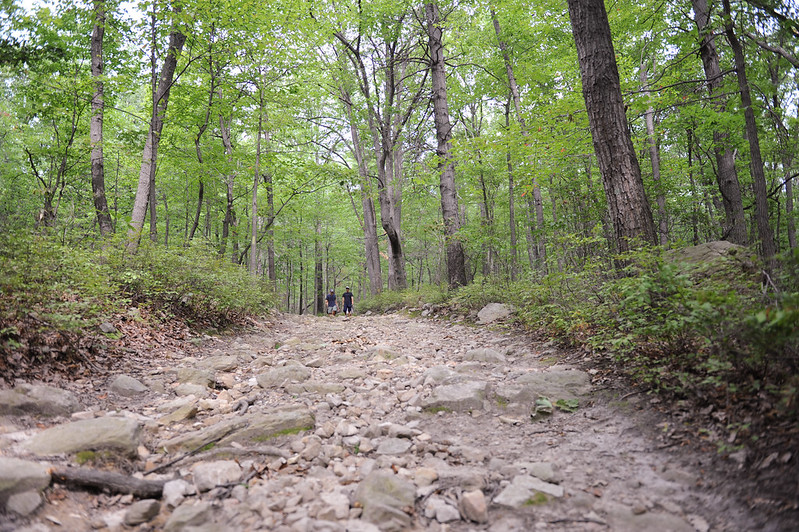
If the trail looks anything like this, walk! Photo by bigbirdz, used under CC BY 2.0.

Tip #2: Focus. Focus. Focus.

Road running is great for zoning out, getting lost in your thoughts, and just cruising–but don’t try that on the trails. When I lose focus, I’m almost guaranteed to stumble. And if you want to enjoy the scenery for a moment (or, in my case, hear a bird you want to try to spot!), stop running! Since we’ve already established that pace doesn’t matter, stopping to look around for a moment (even to snap a picture) is always better than looking around while still running.

This might sound rigid and un-fun, but I find it’s actually somewhat like a moving meditation. You’re so focused on the task at hand that other worries (of which there are plenty for most of us) tend to fall away. The focus required for successful trail running forces you to be in the present. Embrace that opportunity!

Tip #3: Watch the weather.

Light: I don’t like to run anywhere in true darkness, but I often run on the roads well before the sun peeks above the horizon. However, because I need to be able to see my running surface more clearly, and because it takes brighter light to create good visibility in the forest, I never enter the trails before sunrise–ideally a little after.

Rain: Also, while I love a good road run in the rain, I don’t enter the trails during or immediately following heavy rainfall. Mud and high water crossings make technical trails more dangerous. Snow is another story, though–fresh snow is one of my favorite running surfaces (as long as its not too deep, and you can still see the outline of what might be underneath). And you definitely don’t want to be in the woods during thunder and lightning! (That’s a story for another post…)

Wind: I stay out of the woods during high winds. Trees and branches can fall unpredictably. If you’re just getting started on the trails, for best results (and to keep you wanting more!) I recommend sticking with dry and clear weather during a well-lit portion of the day.  

A day that looks like this could be super fun for a run on the roads, but I wouldn’t recommend heading into the woods. Not only is it dangerous, but you’ll make an outsize contribution to erosion and other trail damage. Photo by gardener41, used under CC BY-SA 2.0.

Tip #4: Pack the essentials.

Even if you’re not heading out for several hours (yet – just wait til you get hooked like me!), it’s still important to be prepared in case anything goes wrong. As you advance in your trail running, you may find yourself in more remote areas, possibly miles from the nearest road. It’s important to be prepared. When I go for a trail run, I always bring:

  • health insurance card and ID (I carry my driver’s license and also recommend a RoadID for all runners)
  • a small amount of cash
  • fully-charged cell phone
  • toilet paper and hand sanitizer (come on, we’ve all been there)
  • plenty of water and nutrition (my current go-tos are Tailwind and Huma gels)

If it’s going to be an extra long run, I also bring:

  • mini med kit
  • headlamp or flashlight (I love my mini Petzl headlamp, because it doesn’t bounce all over as I run and it’s super lightweight to carry)
  • extra layer of clothing
  • extra socks
  • extra nutrition

Tip #5: Tell someone where you’re going.

It’s always a good idea to tell someone where you’re going, and approximately when you expect to be back, just in case something goes wrong. (This isn’t a bad idea for long road runs, too.)


If you take it slow, stay focused, watch the weather, and pack the essentials, you’re setting yourself up for a great experience–and I promise you’ll want to do it again. Now that you know the basics of how to keep yourself safe out there, next time I’ll talk about some ways to really embrace the spirit of the trail running experience. Til then, journey on, friends!

What would you add to this list of trail running safety tips?

Featured image by Rebecca Siegel, used under CC BY 2.0